

Spring Cleaning for Your Smile: Why Professional Dental Cleanings Matter More Than You Think

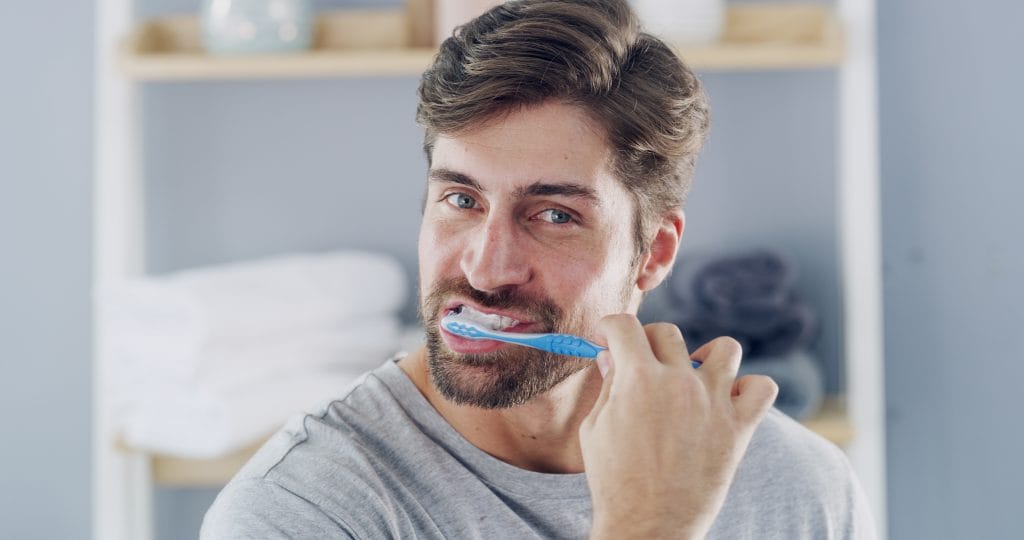
Spring has a way of showing you what winter left behind — dust in corners, fingerprints on windows, and clutter that builds up while life stays busy. Your mouth works the same way. Daily brushing and flossing are essential for good oral health, but they cannot fully remove what hides along the gum line and in tight spaces. A professional dental cleaning gives you a true reset, sgumupported by a trained dental hygienist, specialized instruments, and a clinical view of your oral cavity.
At Prestige Dental in Sarasota, FL, your preventive visits are designed to be practical and personalized. You get a thorough cleaning plus a dental exam that supports early detection of potential oral health issues. That combination helps you protect healthy teeth, reduce the risk of gum disease and tooth decay, and keep your overall health in mind at every step.
Why spring is a good time to recommit to oral care
Seasonal routines matter because habits often shift during the holidays and colder months. Travel, stress, and changes in diet can lead to more plaque buildup and less consistent oral care. If your teeth cleaning appointment has been delayed, spring is a good time to get back on track with regular dental cleanings and a plan you can follow.
Professional cleanings also help you spot patterns you might miss at home. If you have bad breath, tender gums, surface stains from coffee or tea, or occasional jaw discomfort, those clues can guide your next step. Addressing small changes early helps you avoid major problems later, including tooth loss related to advanced periodontal disease.
What a dental cleaning removes that brushing cannot
Even with excellent technique, a toothbrush cannot remove hardened tartar buildup. Tartar forms when dental plaque stays on the surface of your teeth long enough to mineralize. Once it hardens, it typically requires special tools used by dental professionals in a dental office.
A routine teeth cleaning focuses on removing plaque and tartar from areas you cannot reach well, especially near the gum line. This matters because bacteria in plaque release irritants that inflame gum tissue. Over time, that inflammation can progress into signs of gingivitis and, without care, signs of gum disease that affect deeper supporting structures of the teeth.
Professional teeth cleaning also supports fresher breath. Many cases of persistent bad breath are connected to bacterial byproducts, including volatile sulfur compounds. If you have been masking symptoms with mints, a preventive visit can help you get to the underlying cause and reduce buildup that contributes to odor.
What happens during professional dental cleanings?
If you feel unsure about the cleaning process, you are not alone. Dental anxiety is common, and it often comes from not knowing what will happen. The dental cleaning procedure is structured and predictable, and your team can slow down as needed. If you have concerns, you can ask about comfort measures and sedation options that may be available for certain visits.
Here are the main steps you can typically expect during a teeth cleaning appointment:
- Review and initial assessment: Your dental hygienist takes a close look at your mouth and checks areas that tend to collect dental plaque. They may also note irritation around the gum line and discuss your home routine.
- Scaling to remove buildup: Using special tools, plaque and tartar are carefully removed, including areas where you might have leftover plaque. Some patients notice a scraping sensation, but it should feel controlled and methodical.
- Polishing: A rotating brush and prophylaxis paste are used to polish the surface of your teeth. The paste can feel like gritty toothpaste, and it helps lift surface stains.
- Professional flossing and rinse: Professional flossing helps clear debris between teeth, followed by rinsing to wash away particles.
- Fluoride treatment when appropriate: Depending on your needs, you may receive fluoride varnish, fluoride gel, liquid fluoride, or a foamy gel application. Fluoride treatment helps strengthen enamel and can support protection against tooth decay.
- Dental exam and final checkup: A general dentist completes a dental exam to look for signs of decay, oral health issues, and changes in the soft tissues. Screening for oral cancer may also be part of your preventive evaluation.
Throughout the dental cleaning process, you will see tools that help your team work precisely, including a small mirror for visibility in areas that are hard to view directly. Your comfort matters, and it is always appropriate to speak up if you need a break.
What question should you ask your hygienist at your next visit?
If you want one simple way to get more value from your next appointment, ask: “Where are my trouble spots, and what should I do differently at home?” That question invites coaching tailored to your mouth, your habits, and your risk factors, so your daily routine supports the results of your cleaning.
Cleanings and exams help prevent bigger dental issues
Regular cleanings support prevention, but they work best paired with a dental exam. Your exam is where early detection can happen, including small cavities, cracks, worn fillings, and changes along the gum line that may not hurt yet. Early detection of potential oral health issues makes treatment simpler and helps you protect your dental health for the long term.
Preventive visits also support whole-body wellness. Poor oral health and ongoing inflammation can affect your overall health, and research continues to explore links between gum inflammation and systemic conditions. While each person’s situation is different, your dental care team can help you reduce oral health complications by keeping the mouth cleaner and healthier. For some patients, keeping inflammation controlled also supports discussions around broader concerns like risk of heart disease.
When a “regular cleaning” is not enough: periodontal therapy and deep cleaning
Sometimes, a standard cleaning is not the right match for what your gums need. If your gums bleed easily, you have persistent bad breath, or there are deeper pockets between the teeth and gums, your dentist may talk with you about periodontal therapy. This can include a professional deep cleaning (often called scaling and root planing) to remove tartar and bacteria below the gum line.
This type of thorough cleaning aims to support gum healing and reduce inflammation that contributes to gum disease. Your team will explain why it is recommended, what to expect during the cleaning process, and how to care for your gums afterward. Treatment is most effective when it is paired with consistent follow-up and regular cleanings, since gum health maintenance is ongoing.
What you can do at home to keep that “just-cleaned” feeling
Your home routine plays a major role in maintaining good oral health between professional cleanings. The goal is not perfection. The goal is consistency and attention to areas where plaque buildup returns quickly.
A few patient-friendly strategies that typically help include brushing along the gum line with a soft-bristled brush, cleaning between teeth daily, and choosing products that support your needs. If you are prone to tooth decay, your dentist may recommend a toothpaste with fluoride gel benefits or an in-office fluoride varnish at appropriate intervals. If you notice recurring surface stains, your hygienist can suggest ways to reduce them while still keeping your routine realistic.
If you have specific concerns such as sensitivity or bleeding gums, bring them up during your teeth cleaning appointment. Your hygienist and dentist can help you connect symptoms to causes and decide on the next step, whether that is changes in technique, a fluoride treatment, or evaluation for active dental issues.
Scheduling your next visit at Prestige Dental in Sarasota
You deserve preventive care that feels calm, clear, and personalized. At Prestige Dental, you can expect a supportive approach that prioritizes your comfort, your oral health, and long-term stability. If you are overdue for a dental cleaning, or if you have noticed signs of gum disease, signs of gingivitis, or signs of decay, this is a good time to schedule.
Spring is a practical reset point. Request your next appointment today.