

Nightguards vs. Invisalign: Find the Right Fit

If clenching, grinding, or a bite imbalance is causing headaches, jaw pain, or a sore jaw when you wake up, you are not alone. These concerns affect your dental health, sleep quality, and overall well-being. At Prestige Dental in Sarasota, we take a personal approach to care so you understand your treatment options and feel confident choosing a path that protects your smile.
Bruxism, Bite, and TMJ: How They Connect to Teeth Grinding
Clenching and grinding, also called bruxism, place heavy pressure on your enamel and jaw muscles. Over time, bruxism symptoms can include sensitive teeth, tooth pain, chips, cracked fillings, and TMJ discomfort. Some people notice their lower teeth look worn or flat, while others experience headaches or daytime tension in the cheeks and temples. A careful exam helps us identify patterns, protect your teeth, and improve function.
What Does a Dental Nightguard Do?
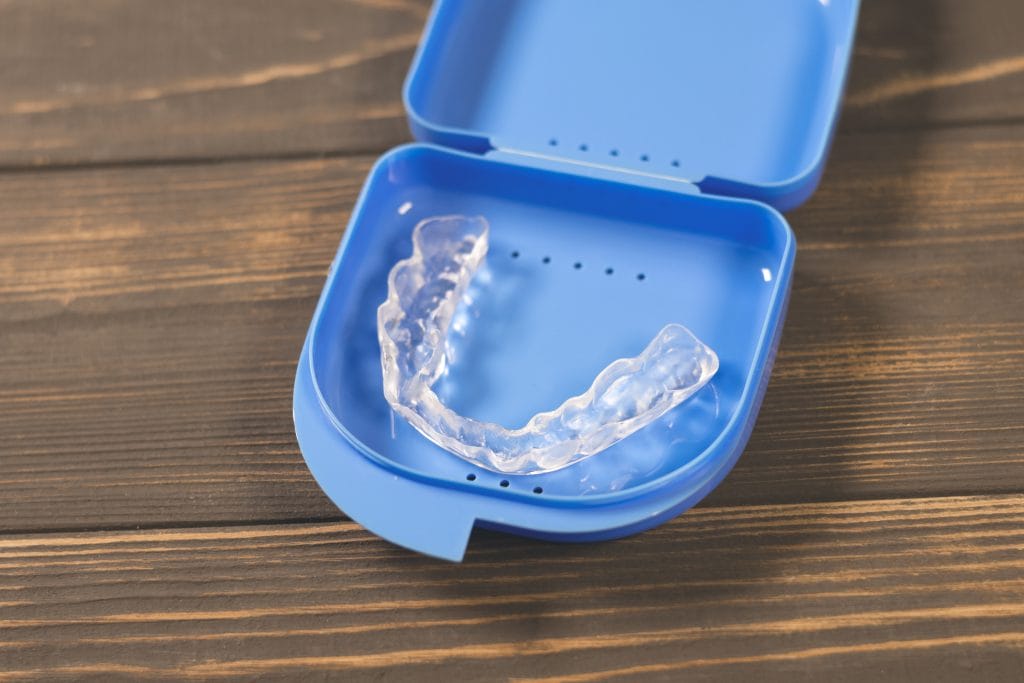
A dental nightguard acts as a protective barrier between your upper or lower teeth during sleep. A custom nightguard cushions the grind, reduces stress on jaw muscles, and protects enamel from wear. Many guards have a hard outer layer for durability and a softer interior for comfort. At our dentist’s office, we consider your bite, dental work such as fillings or implants, and any TMJ concerns before recommending a dental nightguard.
Can Invisalign Help With Grinding or Bite Issues?
Invisalign can align teeth, improve bite balance, and help distribute forces more evenly. When teeth fit together in a healthier position, grinding and clenching may ease. Aligners are a clear appliance that can feel like a thin mouthguard, but they are not a substitute for a dedicated dental guard in active bruxism. Invisalign may be part of an effective solution when bite issues contribute to wear, mobility, or jaw strain.
Nightguards or Invisalign: Which Is Right for You?
Choosing between a mouth guard and aligners depends on your goals. If your priority is protection from grinding, nightguards offer the best fit for cushioning. If your priority is correcting crowding or a bite imbalance, Invisalign is designed for gradual tooth movement. Some patients benefit from both at different stages.
Do You Need a Nightguard, Invisalign, or Both?
If you wake with a sore jaw, notice chipped enamel, or feel your teeth do not meet evenly, an exam can clarify next steps. Some cases respond well to a dental nightguard alone. Others see long-term benefits from Invisalign to address the bite. Your plan should reflect your health, comfort, and goals.
What to Expect From a Custom Fit at the Dentist’s Office
A proper fit matters. We take an impression of your teeth to create a mold that guides a dental laboratory in crafting custom mouthguards. A high-quality guard can be hybrid or acrylic, designed for a perfect fit with necessary adjustments at delivery. Rinsing with cold water after cleaning helps maintain shape. Avoid hot water that can warp the appliance. With the right care, custom mouthguards are durable and comfortable in the long run.
Mail-Order Mouthguards and Impression Kits: What to Know
Some people try an impression kit at home and ship it to a dental lab. You may see names like JS Dental Lab or Chomper Labs. These services often promise a better fit than a boil-and-bite mouthguard and handle shipping and returns. If you choose a home kit, follow directions closely to avoid a distorted mold. For many patients, an in-person evaluation provides a safer path to the best fit because your dentist can assess the bite, review bruxism symptoms, and fine-tune the appliance.
Materials, Comfort, and Care for Nightguards
A dental guard can be soft, hard, or hybrid. Hard acrylic offers a durable surface that resists wear from grinding. Softer interiors can reduce initial discomfort. Cleaning is simple: rinse with cold water after use, brush gently as directed, and let it dry before storage. Checkups allow your dentist to verify the proper fit, make necessary adjustments, and monitor any changes in grinding or clenching over time.
Where Does Sleep Apnea Fit In?
Sleep apnea can overlap with bruxism. Obstructive sleep apnea involves repeated airway collapse that can affect sleep quality and jaw tension. If you snore, wake unrefreshed, or have risk factors for apnea, speak with a healthcare provider. Addressing airway concerns can help reduce strain on your jaw and teeth. A nightguard protects your teeth, but it does not treat apnea.
Invisalign for Bite Balance, Retention, and Smile Confidence
Invisalign aligners can improve crowding, spacing, and some bite discrepancies. Aligners can also help maintain results as a retainer after treatment. For patients who grind, we may still recommend a dental nightguard after Invisalign to preserve the alignment and shield enamel from a heavy grind pattern. If you wear braces now or have a retainer routine, we will tailor guidance to your needs.
Special Considerations With Existing Dental Work
Grinding affects more than natural teeth. It can stress fillings, crowns, dental implants, and dentures. A protective barrier helps distribute forces to reduce the risk of fractures or loosening. We plan your appliance around your current dental work to avoid pressure on sensitive gums and to support comfort.
Comparing Treatment Options Side by Side
Goal: Nightguards protect, Invisalign aligns.
Timeline: A dental nightguard is usually faster to deliver. Invisalign requires planned tooth movement over months.
Comfort: Both require a period of adjustment with gradual improvement as your jaw muscles adapt.
Results: Many patients use both. Protection first for active grinding, alignment next for bite harmony.
Red Flags That Need Prompt Attention
Please reach out if you notice cracked teeth, increasing tooth pain, gum irritation from an ill-fitting appliance, or severe issues like a chipped restoration. These concerns need attention to prevent complications. Early care supports better outcomes and protects what you have.
How We Personalize Care at Prestige Dental in Sarasota
You and your health are the priority. We listen to your concerns, evaluate your bite, and discuss lifestyle habits that may influence grinding or clenching. We review options for a custom nightguard or Invisalign, explain benefits and limitations, and help you choose an effective solution that fits your routine.
Your Next Step
If clenching, grinding, or bite issues are affecting your comfort, relief is possible.
Schedule a visit at Prestige Dental in Sarasota. We will assess your bruxism pattern, review nightguards and Invisalign, and create a plan that supports your dental health and whole-body wellness.