

My Crown Feels Fine… So Why Did My Dentist Say It Might Need to Be Replaced?

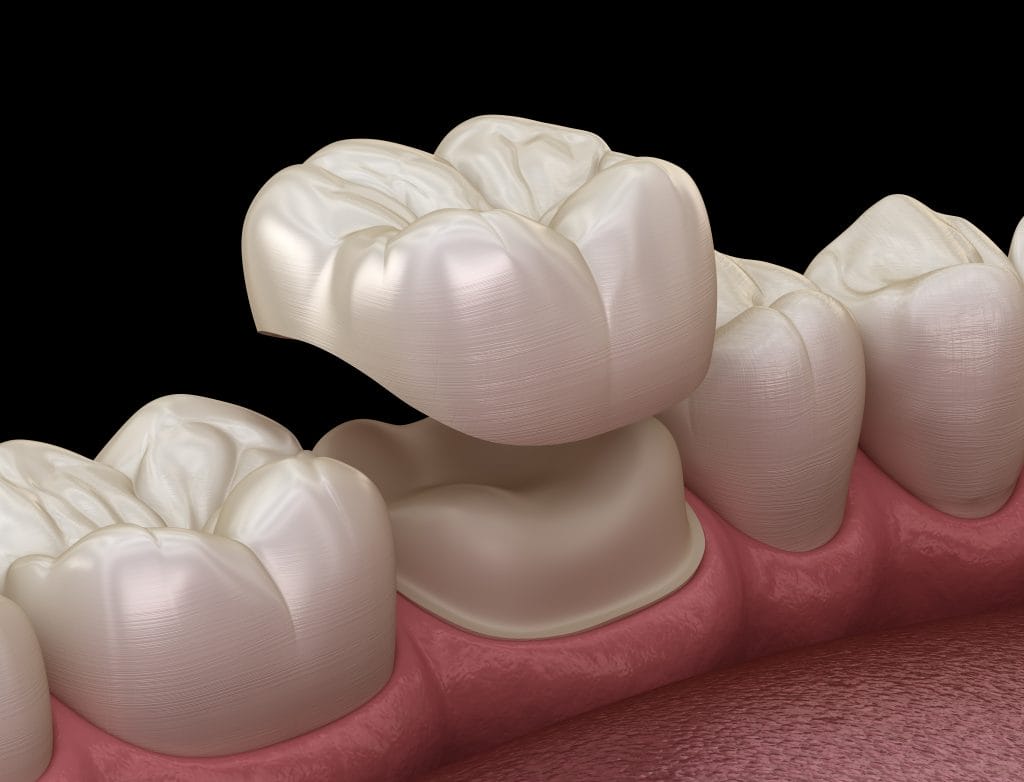
If your dentist recommends a dental crown replacement but your crowned tooth feels normal, it can be puzzling. You might chew comfortably, see no visible damage, and wonder why replacing something that seems fine is necessary.
At Prestige Dental in Sarasota, FL, we prioritize personalized care, including explaining what we see and why it matters for your oral health. Crown replacement is often about prevention – protecting the underlying tooth and reducing risks of decay or infection. Pain is just one possible signal, and it often appears late.
Why a dental crown can “feel fine” while problems develop
A dental crown protects a tooth but doesn’t make it invincible. Over time, the edge where the crown meets your gum line can change. Gum tissue may recede, dental cement can wear, and tiny gaps can form – changes you might not feel.
If your tooth had a root canal, you may not sense early decay symptoms as you would in a tooth with normal sensation. This is why regular dental exams are crucial, even when everything feels fine.
Why would a dentist recommend dental crown replacement if there’s no pain?
Dentists look for early signs that a crown isn’t sealing, protecting, or supporting the tooth as it should. These subtle signs can lead to bigger problems if ignored. Replacing a crown proactively often preserves the natural tooth and maintains a healthy smile.
When we discuss your crown’s condition, our goal is clarity. You deserve to understand why replacement might be recommended, what we’re trying to prevent, and your best course of action.
Hidden issues dentists often find around an older crown
A crown can fail silently for years. Here are common issues we check for during exams:
- Open margins: The margin is where the crown meets the tooth near the gum line. If this seal breaks, plaque and bacteria can reach the underlying tooth, increasing decay and gum disease risks.
- Weakened tooth structure: Even if the crown looks intact, the tooth underneath can develop cavities or cracks. This damage may progress without pain, especially in a tooth with a root canal.
- Gum changes: Gum recession can expose more of the tooth near the crown edge. A dark line at the gum line may appear, affecting your smile’s aesthetics and signaling plaque buildup or a visible crown margin.
- Loose crowns: A crown may loosen slightly without falling off, allowing bacteria to seep in. You might notice mild sensitivity, food catching, or changes when flossing, even if chewing feels normal.
Types of crowns and materials: why it matters for longevity
Not all crowns age the same way. Different materials distribute bite forces differently and wear at varying rates. The type of crown also affects appearance, especially at the gum line.
Porcelain and ceramic crowns are popular for their natural look. Some have a porcelain layer over another structure, while others are entirely ceramic. Metal and stainless steel crowns are durable, especially for back teeth, though aesthetics differ. Your dentist considers the crown material, tooth location, and your bite when evaluating its lifespan and whether a replacement is beneficial.
The crown that suited you years ago may no longer be the best fit if your gums, bite, or tooth structure have changed.
Common warning signs you can watch for at home
While you shouldn’t have to guess, knowing what to watch for between dental visits can help. Common signs of potential crown replacement include:
- Sensitivity near the gum line
- A rough edge felt with your tongue
- A crown that catches floss differently than before
Other signs involve appearance and function. A dark line near the gum line, gum swelling or bleeding, or food packing around the crown may indicate a seal issue. Changes in how your teeth come together, such as the crown hitting first against opposing teeth, can stress the tooth and adjacent teeth over time.
If you notice these changes, schedule an evaluation. Early care often simplifies treatment and supports long-term dental health.
What happens if you wait too long to replace a crown?
Delaying crown replacement can allow hidden decay to grow under the crown. If decay spreads, the tooth may require a larger restoration, root canal, or even extraction if it becomes non-restorable. Tooth loss may lead to restorative options like implants, dentures, or bridges.
Waiting can also harm your gums. Chronic inflammation around a leaky crown can contribute to gum disease, and gum recession may worsen, affecting how a future crown fits and the appearance of nearby teeth.
A replacement recommendation often aims to prevent small issues from becoming major ones. Your dentist’s role is to explain risks clearly so you can make an informed decision.
The dental crown replacement process: what you can expect
At Prestige Dental, crowns and bridges are custom-made to restore function and appearance while protecting your oral health. The process typically involves:
- Tooth preparation: The tooth is shaped to fit the new crown.
- Impressions: Impressions of your tooth and bite are taken for a precise fit. Many practices now use digital scanners for accuracy and comfort.
- Temporary crown: While the permanent crown is made, a temporary crown protects the tooth and maintains function.
- Crown placement: At a second visit, the permanent crown is cemented, and your dentist ensures it fits comfortably with your bite.
Protecting your new crown with proper care
A crown can last many years with proper care. Good oral hygiene keeps the gum line healthy, reduces decay risks at the crown edges, and prevents gum disease.
Brush with fluoride toothpaste twice daily, clean between teeth, and maintain regular dental visits. If you clench or grind your teeth, ask your dentist about options to reduce stress on the crown.
If a crown feels loose, avoid sticky foods on that side and call your dentist. Prompt attention can prevent further damage.
When replacement may not be the answer
Sometimes, a crown may look questionable but doesn’t require immediate replacement. Your dentist may recommend monitoring based on the size of any gap, gum health, decay presence, and crown stability. The goal is always to match the treatment plan to your needs.
Rarely, sensitivity or allergic reactions to certain crown materials may influence the type of crown best for you. Clear communication about your history and symptoms helps guide safe, durable choices.
Schedule a crown evaluation in Sarasota, FL
If you’ve been told you may need a dental crown replacement, you deserve a clear explanation and a plan focused on prevention.
At Prestige Dental, we offer crowns and bridges designed to restore function and appearance while protecting your long-term oral health. Schedule an appointment to review your crown’s condition, discuss your options, and decide on the next step with confidence.

