

Cracked, Worn, or Weak Teeth? How Crowns, Inlays, and Onlays Restore Strength and Comfort
 by Suhani Patel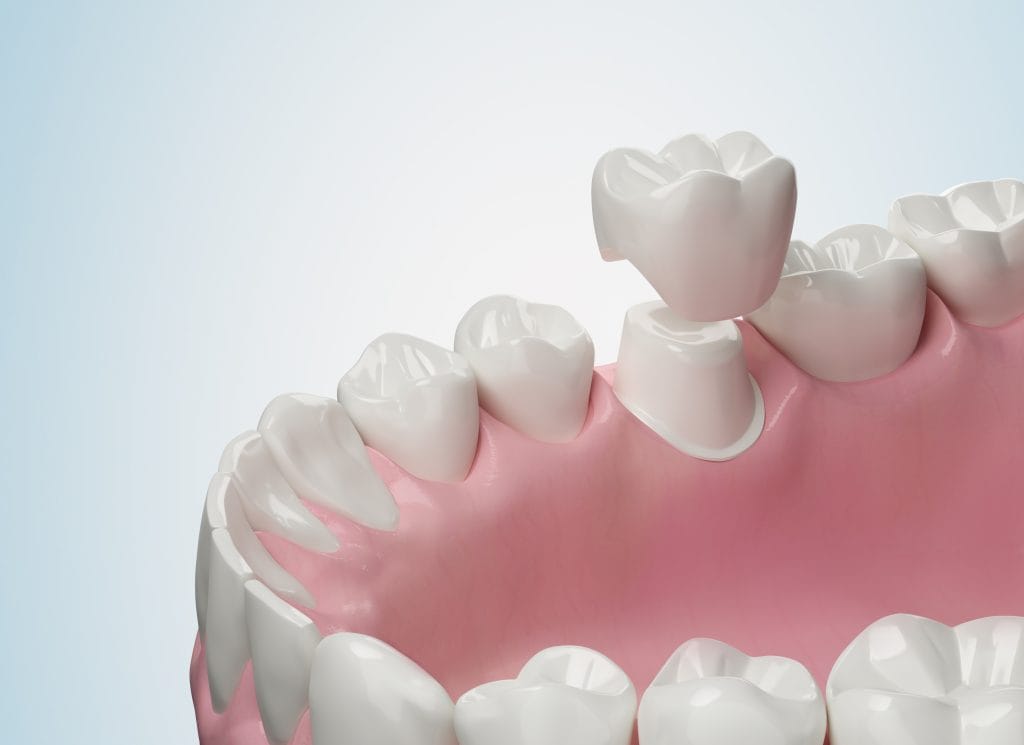
When a tooth feels tender, catches on floss, or hurts when you bite down, it can change how you eat and how confident you feel. Cracked edges, worn enamel, and older dental work can also leave a tooth vulnerable to further damage over time. The good news is that many teeth can be strengthened comfortably with modern restorative dentistry that focuses on protecting healthy tooth structure.
At Prestige Dental in Sarasota, FL, we take a personal approach to dentistry, starting with a careful evaluation of your tooth surface, your bite, and your oral health goals. From a conservative approach like a dental inlay or dental onlay to a full dental crown, the right restoration can help you chew comfortably again and keep your natural tooth strong for the long term.
Why teeth crack, wear down, or feel weak over time
Your teeth handle daily pressure from chewing, grinding, and temperature changes. Over the years, tooth structure can weaken due to tooth decay, repeated dental fillings, or biting on hard foods like ice. A damaged tooth may also follow a fracture line created by an old filling that no longer supports the surrounding enamel.
Wear can happen gradually too, especially if you clench or grind. Flattened grooves of the biting surface can change how your tooth’s cusps meet, which may lead to sensitivity near the gum line or strain on the jaw. Even with proper care at home, the extent of damage may require dental restorations that reinforce the remaining natural tooth structure.
What’s the main difference between a crown, an inlay, and an onlay?
The main difference is coverage. A dental inlay fits within the biting surface, filling in the area between the cusps. A dental onlay covers a larger part of the tooth, including one or more cusps, so it is sometimes called a partial crown. A dental crown covers the entire visible portion of the tooth, offering the most coverage when more support is needed.
All three options can be made from durable materials designed to function like a solid piece with your tooth. Your dentist will consider how much natural structure remains, where the crack or decay is located, and how the tooth responds to pressure. The best choice is the one that protects your remaining tooth structure while meeting your comfort and function needs.
When a simple filling is not enough
Composite resin and other dental fillings work well for small areas of tooth decay, especially when the surrounding tooth structure is healthy and strong. When a cavity becomes large or when a tooth has fractured cusps, a filling may not provide enough support. That is when the risk of further damage rises, particularly along the edges of the restoration.
This is why early evaluation matters. If you come in when you first notice temperature sensitivity, sharp edges, or pain while chewing, your dental team may be able to recommend a more conservative option, preserving much natural structure. Regular dental checkups help catch concerns before they turn into extensive damage that needs a more involved solution.
Dental inlays: a precise fit for internal damage
A dental inlay is designed to restore a part of the tooth that sits within the cusps. It can be a great fit when there is moderate tooth decay or a failing filling, but the outer walls of the natural tooth remain strong. Because an inlay fits into the surface of a tooth rather than covering it, it can support healthy tooth structure while restoring a stable bite.
Inlays are typically crafted for accuracy so the margins blend smoothly with the tooth surface. They can be made from ceramic materials for a natural appearance, which can matter if you are also thinking about cosmetic dentistry goals. With good dental care and proper care at home, inlays can be a reliable, long-term solution.
Dental onlays: added strength when cusps need support
A dental onlay is often recommended when one or more tooth’s cusps are cracked, weak, or heavily filled. It reinforces vulnerable areas and distributes chewing force more evenly than a large filling. Many patients appreciate that an onlay can protect the tooth without requiring the full coverage of a crown when the entire tooth does not need to be enclosed.
This option can be especially helpful after extensive decay is removed or when an older restoration has left thin enamel behind. Like inlays, onlays can be created for a natural appearance, using materials chosen for strength and esthetics. If you are comparing dental crowns vs inlays onlays, an onlay often sits between the two in terms of coverage and tooth preservation.
Dental crowns: full coverage for broken, heavily restored, or treated teeth
A full dental crown covers the entire tooth above the gum line, which helps stabilize teeth with extensive damage, fractures, or large restorations that no longer protect the tooth. Crowns can also be recommended after root canal therapy, because a tooth may become more brittle after the nerve tissue is removed. In these cases, a crown can reduce the risk of splitting under normal chewing forces.
A dental crown may also be part of a broader restorative plan. For example, crowns can support bridges in crowns and bridges treatment, replacing a missing tooth by anchoring to neighboring teeth. When a tooth cannot be saved, dental implants or dentures may be discussed as alternatives, but a crown or partial crown approach is often preferred when your natural tooth can be preserved and strengthened.
Which option is right for you? A practical way to decide
Choosing the right restoration comes down to function, protection, and the amount of healthy tooth structure that remains. Your dentist will evaluate the extent of damage, check your bite, and look closely at any crack lines or areas of recurrent tooth decay. Comfort matters too, so your symptoms and day-to-day habits guide the plan.
In many cases, the decision looks like this:
- If damage is limited to the center biting area and the cusps are strong, a dental inlay may be appropriate.
- If one or more cusps need reinforcement, a dental onlay (partial crown) may be the best way to protect the tooth.
- If the tooth needs the most coverage due to extensive damage, a full dental crown can provide reliable support.
This is why the conversation about dental crowns vs inlays onlays is important. The goal is not to choose the biggest restoration. The goal is to choose the smallest restoration that offers predictable strength and comfort for the long term.
What should you expect during treatment?
Restorative dental work is typically completed with local anesthesia so you stay comfortable. Your dentist removes damaged or decayed areas, then shapes the tooth so the restoration can seat securely. If a restoration is being made outside the dental clinic, an impression or digital scan is taken so the dental lab can create a precise final result.
Many cases involve a second visit to place the final restoration, check your bite, and polish edges for comfort. Treatment costs can vary based on materials, complexity, and whether other care is needed first, such as periodontal therapy for gum health. Your dental team can walk you through expected steps, timing, and how to plan around work or travel.
How restorations support whole health and daily comfort
When your bite feels stable, it is easier to eat a balanced diet and chew comfortably. Addressing cracks and old restorations can also reduce the risk of bacteria getting into deeper layers of the tooth, which can lead to infection and sometimes a root canal. Protecting your tooth structure helps support your overall oral health, which plays a meaningful role in whole-body wellness.
You also gain peace of mind. If you have ever worried about biting down on a painful tooth at dinner or felt nervous chewing on one side, a well-planned restoration can restore confidence in everyday moments. Consistent dental care and regular dental checkups keep those results stable, especially when paired with good brushing, flossing, and habit awareness.
A thoughtful next step for restoring strength and comfort in Sarasota
If you have a cracked, worn, or weak tooth, you do not have to guess what it needs. The right evaluation can clarify whether a dental inlay, dental onlay, or dental crown fits your situation and supports your oral health goals. At Prestige Dental, you and your health are the priority, and we are here to help you understand your options with clear, respectful guidance.
Schedule a visit with our team at Prestige Dental in Sarasota, FL.
