

Sleep Apnea, Jaw Pain, and Snoring: Dental Solutions for Better Rest

Waking up with jaw pain, a dry mouth, or a partner nudging you because of loud snoring can make every day feel harder. Poor sleep affects your mood, focus, and energy, and over time it can contribute to broader health issues. The good news is that your dental team can play a meaningful role in identifying what is happening and helping you move toward safer, more comfortable sleep.
At Prestige Dental in Sarasota, FL, you can expect a patient-first approach that connects oral health to whole-body wellness. When symptoms show up in your jaw, teeth, and mouth, a comprehensive exam can uncover patterns that point to treatable sleep disorders and nighttime habits. If Sleep Apnea is part of the picture, early guidance matters, and dentistry can be part of your care pathway alongside sleep medicine.
Why jaw pain and snoring often show up together
Jaw pain and snoring can share common causes, especially when your lower jaw and the soft tissue in your mouth are not staying in a stable, healthy position during obstructive sleep. Many people clench or grind at night, placing strain on the jaw joints and muscles. Over time, that tension can contribute to morning headaches, tooth wear, and soreness that lingers throughout the day.
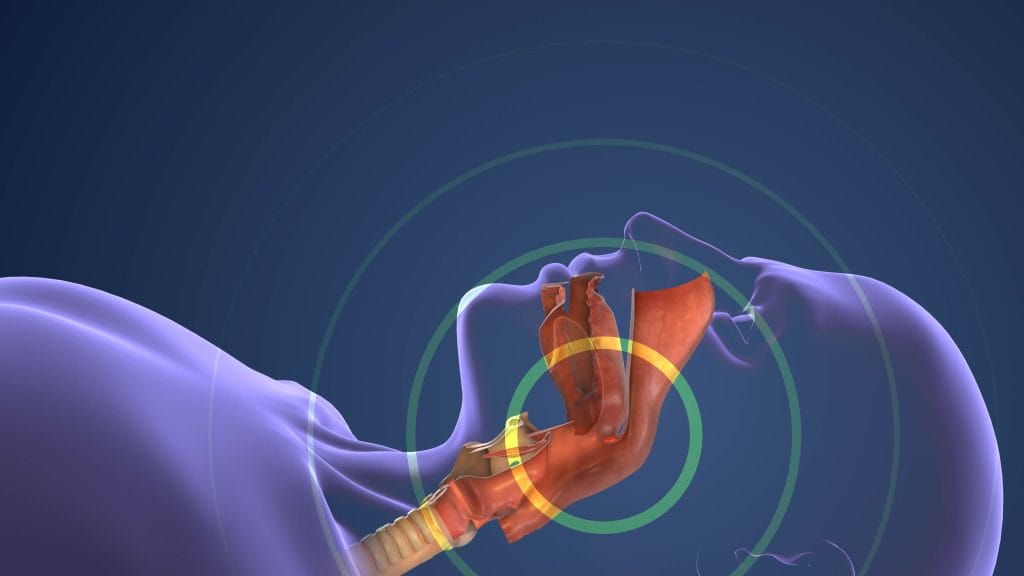
Snoring happens when airflow meets resistance in the upper airway, often around the back of the throat. If the airway narrows during sleep, tissues can vibrate and create sound. When that narrowing becomes more significant and affects normal breathing and oxygen levels, it may signal obstructive sleep apnea, the most common type seen in the United States.
What is sleep apnea, and why does it matter?
Sleep apnea is a condition where breathing repeatedly slows or stops during sleep. These events can reduce enough oxygen reaching your body and may disrupt carbon dioxide levels, even if you do not fully wake up. Over time, lack of oxygen and sleep deprivation can increase daytime fatigue, memory loss, and reduced quality of life.
Obstructive sleep apnea, the most common type, involves physical blockage of the airway. It is often connected to risk factors such as weight, large tonsils, or nasal passage concerns. Untreated sleep apnea has been associated with higher risks like high blood pressure, heart disease, and even heart attack, so it deserves careful attention from a healthcare provider.
Do you have symptoms of sleep apnea?
You may notice the most common symptoms at home, and your bed partner may notice them first. Signs of sleep apnea often include loud snoring, gasping sounds, choking sensations, or long pauses in breathing. Many people also report waking with dry mouth, sore throat, or headaches, along with excessive daytime sleepiness.
If you recognize a symptom of sleep apnea in your own routine, write it down and bring it to your next dental exam. Sleep apnea symptoms can overlap with stress, allergies, or other sleep disorders, so it helps to look at the full pattern rather than one isolated night. Your dentist can help you connect the dots and guide you toward the right next step, which often includes a sleep study.
Can a dentist help with sleep apnea?
Yes. Your dentist can help identify signs in your mouth and jaw that commonly appear when sleep apnea is present, and your dentist can help you pursue appropriate sleep apnea treatment in collaboration with a sleep medicine team. Dental professionals do not replace a physician-led diagnosis, but they can recognize risk factors, screen for concerns, and support a practical treatment plan.
During a comprehensive exam, your dentist may look at your bite, tooth wear, jaw function, and airway-related anatomy. Features such as a narrow upper airway, strain in the lower jaw, or soft tissue crowding near the back of the throat can support a referral for a sleep study. Many patients start with a home sleep apnea test or an in-lab sleep study depending on what their healthcare provider recommends.
How jaw tension and night grinding contribute to poor sleep
Clenching and grinding load your jaw joints and muscles for hours. That strain can lead to morning jaw pain, facial soreness, and headaches, and it can also damage enamel over time. You may not realize it is happening until your dentist sees patterns such as flattened biting surfaces, cracks, or gum irritation.
Nighttime bruxism also interrupts restful sleep. Even small, repeated micro-arousals can prevent enough sleep and leave you feeling unrefreshed. When you combine jaw tension with airway resistance, the overall impact on poor sleep becomes more noticeable, including daytime sleepiness and trouble concentrating.
Oral appliances, nightguards, and when each one makes sense
Dentistry offers different options depending on what is driving your symptoms. A nightguard is commonly used to help protect teeth and reduce stress on the jaw from grinding or clenching. Oral appliances for sleep apnea are designed differently. They aim to support the airway, often by gently positioning the lower jaw forward to help keep the upper airway more open during sleep.
If sleep apnea is confirmed, your treatment options may include continuous positive airway pressure (CPAP) or other positive airway pressure approaches. CPAP therapy delivers airflow through a mask to keep the airway open, and it can be very effective, especially for severe sleep apnea. Some people with mild to moderate sleep apnea may be candidates for oral appliances prescribed in coordination with a sleep physician. Your dental team can help you understand fit, comfort, and possible side effects, then coordinate follow-up so your treatment remains effective.
What to expect from a sleep-focused dental exam at Prestige Dental
A thoughtful exam starts with a conversation. You will talk about your symptoms, sleep quality, daytime fatigue, and habits such as mouth breathing or waking with dry mouth. Your dentist will evaluate your teeth, bite, and jaw function, and look for signs of wear that suggest nighttime grinding.
Your exam may also include airway-related screening, looking at the shape and function of areas that influence airflow, including nasal passages and the soft tissue near the back of the throat. If your history suggests sleep apnea causes are likely, your dentist can recommend next steps such as discussing a sleep study with your healthcare provider. Prestige Dental’s focus on preventive education means you will leave with a clear understanding of what was found and what actions can support your long-term health.
Lifestyle changes that support dental treatment and better sleep
Clinical care works best when it is paired with realistic daily habits. Lifestyle changes can reduce strain on your jaw and support better breathing at night, especially when risk factors such as inflammation or weight-related airway narrowing play a role. Your dentist can also help you understand when symptoms suggest you should speak with your physician, particularly if you have high blood pressure or other related health conditions.
Here are practical strategies that often support better rest alongside professional care: improving sleep position, establishing a consistent routine to reduce sleep deprivation, limiting alcohol close to bedtime, and pursuing physician-guided weight loss when appropriate. If you are taking medications, ask your healthcare provider whether any drug administration schedule affects sleep quality, dryness, or breathing. Even small changes can reduce daytime sleepiness and improve how you feel in the morning.
A clear next step if you are concerned
Jaw pain, loud snoring, and waking unrefreshed deserve attention. A careful evaluation can help you understand whether the problem is primarily jaw tension, airway obstruction, or a combination. If you have untreated sleep apnea, you may not realize how much it affects your oxygen levels, blood pressure, and daily energy until you begin treatment.
If you are experiencing signs of sleep apnea, ongoing poor sleep, or recurring jaw pain, schedule a comprehensive exam with our team in Sarasota. We can review your symptoms, discuss screening, and help coordinate next steps with sleep medicine resources, using guidance supported by groups like the National Institutes of Health and research shared in sources such as the Journal of Clinical Sleep Medicine.